
Losing weight naturally does not require a drastic program or deprivation. A few concrete adjustments in diet, sleep, and daily habits are enough to trigger sustainable weight loss. Here are ten actionable tips, listed in no particular order, to get back in shape without frustration.
1. Replace ultra-processed foods with whole products

Have you ever noticed that some cookies or ready-made meals make you hungry just an hour after eating them? The NutriNet-Santé study published in the BMJ in 2019 showed that an increase in the share of ultra-processed foods in the diet is correlated with an increased risk of overweight and obesity, regardless of total calorie intake.
The most cost-effective reflex is to cook from whole ingredients: vegetables, legumes, whole grains, unbreaded meat or fish. No need for elaborate recipes. A lentil salad with raw vegetables takes less than ten minutes and keeps you full much longer than a store-bought sandwich.
To delve deeper into this approach, Beauty Girl’s weight loss tips detail several simple substitutions to integrate into your next grocery shopping.
2. Sleep at least six hours a night to regulate hunger

Sleep is rarely mentioned in weight loss advice, yet its effect on weight is documented. Sleeping less than six hours disrupts ghrelin and leptin, the two hormones that control the sensation of hunger and satiety. The result: an increased appetite for fatty and sugary foods the next day.
Going to bed at a fixed time, limiting screens an hour before bed, and keeping the room cool are three levers that improve sleep quality without any dietary effort.
3. Structure your plate with the 50/25/25 rule
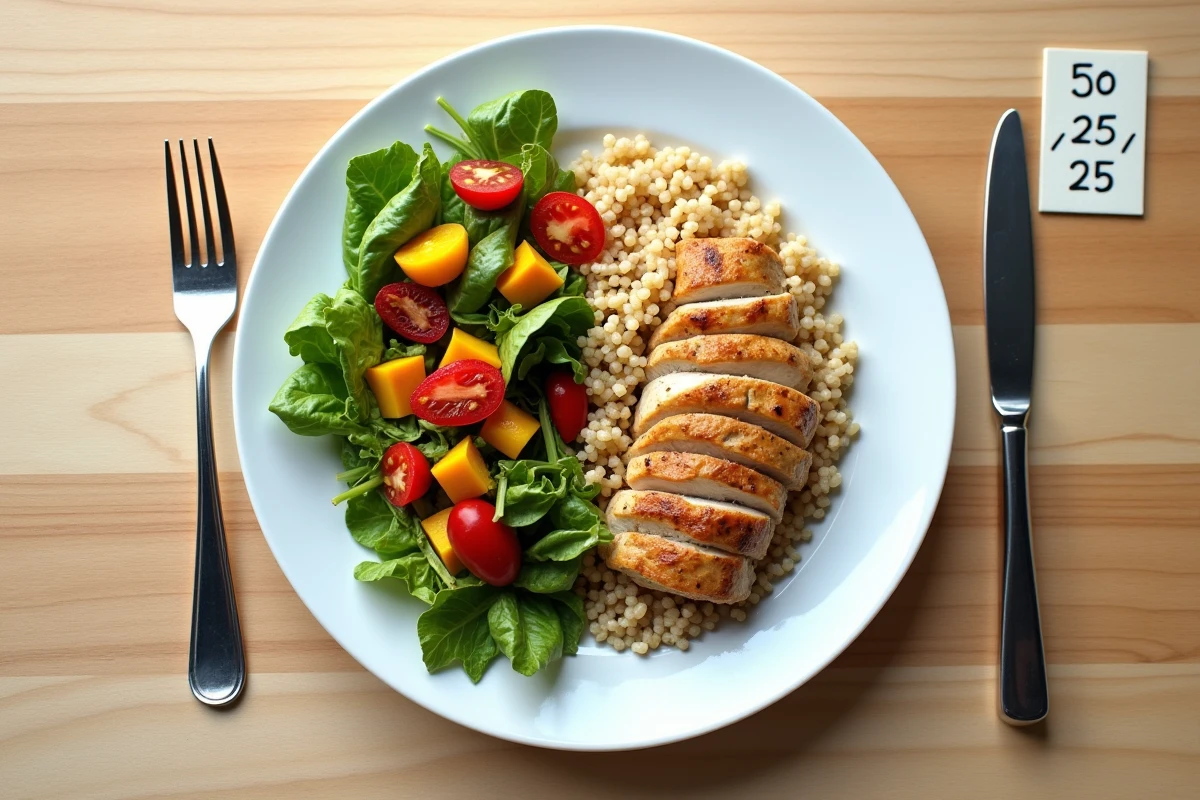
Instead of counting calories, visualize your plate in three zones. Half should be filled with vegetables (raw or cooked), a quarter with proteins (egg, fish, poultry, tofu), and the last quarter with whole starches (brown rice, whole grain pasta, quinoa).
This distribution naturally provides a moderate calorie deficit without the feeling of deprivation. The fiber from vegetables and the proteins slow digestion, which keeps you feeling full longer between meals.
4. Drink a large glass of water before each meal

Water is not magical, but it takes up space in the stomach. Drinking a large glass fifteen minutes before sitting down to eat reduces the amount of food consumed at the next meal.
This gesture also replaces sugary drinks or fruit juices, which concentrate a lot of calories without causing satiety. Regular hydration supports metabolism and helps eliminate waste produced by fat breakdown.
5. Walk thirty minutes a day instead of running an hour a week

The most effective physical activity for weight loss is the one you can maintain over time. Daily brisk walking burns calories consistently and does not cause soreness or discouragement.
It fits into the day without planning: getting off a bus stop early, taking the stairs, walking after lunch. In the long run, this regularity far surpasses an intense workout done once a week and then abandoned.
6. Eat slowly to allow the satiety signal to arrive

The brain takes about twenty minutes to receive the satiety signal sent by the stomach. Eating quickly means surpassing this threshold before even perceiving it.
Putting down the fork between bites, chewing more, and avoiding eating in front of a screen are simple adjustments. Slowing down the pace of the meal reduces the amount consumed without any restriction on the contents of the plate.
7. Limit added sugars rather than cutting out fat

Cutting out fat is an old reflex that often leads to low-fat products packed with sugar. Quality fats (olive oil, avocado, nuts) contribute to satiety and proper hormonal function.
The real lever is to reduce added sugars: sodas, candies, industrial sauces, breakfast cereals. Replacing these sources with whole fruits provides fiber and vitamins in addition to sweetness.
8. Increase protein intake at every meal

Proteins are the most satiating macronutrient. Including them in every meal, including breakfast, limits mid-morning cravings.
- Breakfast: eggs, cottage cheese, or whole grain toast with peanut butter
- Lunch: portion of poultry, fish, or legumes alongside vegetables
- Dinner: vegetable omelet, lentil soup, or grilled fish fillet
For people over 65, maintaining sufficient protein intake preserves muscle mass during weight loss, which prevents a slowdown in metabolism.
9. Manage stress to avoid abdominal fat storage

Chronic stress increases cortisol production, a hormone that promotes fat storage in the abdominal area. It also leads to compulsive snacking, often directed towards very high-calorie foods.
A few minutes of abdominal breathing, a walk outdoors, or simply a moment of daily calm are enough to lower cortisol levels. Reducing stress affects weight as much as changing diet.
10. Avoid crash diets that cause yo-yo effects

A very restrictive diet melts away pounds quickly, but especially at the expense of muscle mass. Metabolism slows down, and as soon as normal eating resumes, weight goes back up, often beyond the starting point.
- Diets of less than 1,200 kcal per day lead to deficiencies and fatigue that make the effort unsustainable
- Loss of muscle lowers resting energy expenditure, complicating any future attempts
- A gradual dietary rebalancing, without forbidden foods, yields slower but stable results
Natural weight loss relies on repeated actions every day, not on a sprint of a few weeks. A sustainable change is built through small regular steps, without deprivation or guilt. The first adjustment you maintain for a month will count more than ten resolutions abandoned in a week.