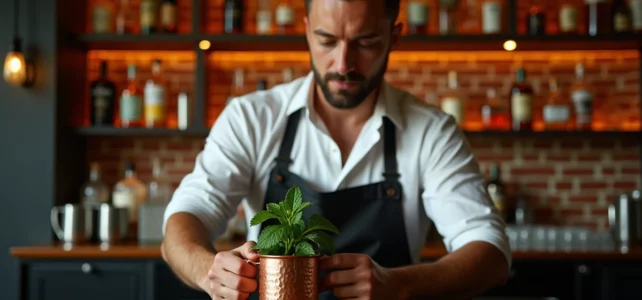
The cocktail market is undergoing a period of reorganization. Consumption habits are changing, the spirit bases are diversifying, and the moments when one drinks a cocktail are no longer the same as they were five years ago. Behind bar menus, economic, cultural, and health logics are reshaping the offer.
Soju as a cocktail base: a spirit that redefines the low ABV segment
Among the least documented movements in French, the arrival of soju in Western cocktail menus deserves careful examination. This Korean spirit, with an alcohol content ranging between 12% and 20.1% for most references, is positioned far from the usual 40% of vodka or gin.
This difference in alcohol content changes the game for bartenders. Soju allows for the creation of cocktails with a reduced alcohol volume without resorting to excessive dilution or corrective syrups. The range of available fruity flavors (plum, grape, strawberry, peach, grapefruit, lychee) provides a ready-to-use aromatic base, simplifying the formulation process.
Supply is also expanding. Specialized Asian grocery stores and online sales platforms in Europe are making these references accessible to individuals who want to recreate recipes from Korean bars at home. The phenomenon is still emerging in French establishments, but feedback on this point varies: some Parisian bars are already integrating it, while others believe that the clientele is not yet familiar with this spirit.
Professionals who follow industry news on bart-magazine.com regularly find analyses on these rising spirits and their integration into cocktail menus.
Daytime cocktails: the Afternoon Society trend and its implications for bars
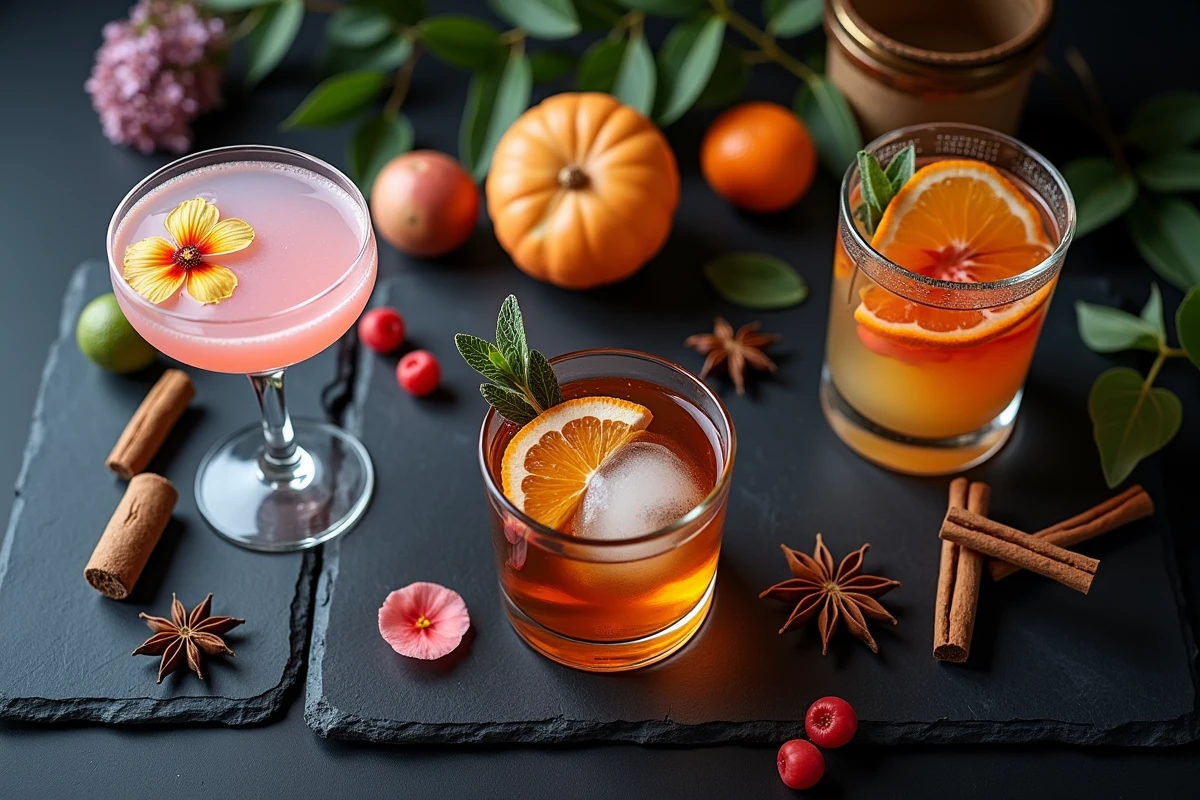
The shift in consumption moments represents a structural change. Recent analyses of the global cocktail market describe a trend called Afternoon Society, where young consumers prefer cocktails during the day (brunch, afternoon) rather than late at night.
This time shift is accompanied by a preference for formats and dosages that are suitable. Spritzes and mini-Martinis illustrate this evolution: less alcohol per glass, a slower consumption pace, compatibility with activities the next day. Health and productivity concerns directly fuel this demand.
For bar operators, this trend raises concrete organizational questions:
- Adapting opening hours and service to capture a midday clientele, with rising labor costs
- Rethinking the menu to offer low-alcohol cocktails that remain profitable despite a perceived lower selling price
- Training teams to adopt a different recommendation approach, where the suggestion focuses on fitting a moment (a lunch, a break) rather than the strength of the cocktail
The available data does not yet allow for measuring the impact of this trend on the revenue of French establishments. However, the phenomenon is well-documented on a global scale, so bars that anticipate this evolution can gain a competitive advantage.
Tequila and the cocktail market: growth impacting supply
Tequila is experiencing sustained growth in global cocktail sales. The Margarita is among the best-selling cocktails in the world, and the demand for tequila is driving the entire agave sector upwards. This growth does not come without consequences for the prices and availability of premium references.
The tequila market is driven by a dynamic that goes beyond just the bar universe. Celebrity investments in tequila brands have accelerated the spirit’s visibility among a broader audience. At the same time, bartenders are exploring mezcal, the smoky cousin of tequila, to diversify their menus.
This pressure on the agave sector poses a fundamental problem. The plant takes several years to reach maturity, and the supply cannot adjust as quickly as the demand. Bars that build their identity around tequila or mezcal-based cocktails expose themselves to supply disruptions or cost increases that compress their margins.
Recipe and preparation: how the choice of base changes things
The choice between blanco, reposado, or añejo tequila radically alters a cocktail’s profile. A Paloma made with blanco will offer bright flavors, driven by citrus and raw agave. With a reposado, the woody notes soften the overall profile and steer the cocktail towards a rounder register.
For enthusiasts making cocktails at home, this distinction is often overlooked. The addition of fresh lime, quality sparkling water, and fine salt on the rim of the glass remains the base, but the type of tequila determines the final character of the cocktail much more than the secondary ingredients.
Mocktails and non-alcoholic cocktails: a market still seeking its economic model
The rise of mocktails has been documented for a long time. The question now is no longer about the legitimacy of the non-alcoholic offer, but about its economic viability for bars.
A well-crafted mocktail requires as much preparation time, skill, and ingredients as a classic cocktail. The material cost can even be higher when replacing a spirit with fresh juices, homemade infusions, or artisanal syrups. However, the selling price accepted by the customer is often lower than that of an alcoholic cocktail.
This imbalance hinders investment from some establishments. Bars that succeed in this segment are those that treat the mocktail as a standalone product, with a dedicated menu, complex flavors, and an assumed pricing position. Others settle for one or two mocktails by default, often perceived as “lesser” cocktails.
The market for ready-to-drink non-alcoholic beverages is growing in parallel, with brands offering sophisticated bottled alternatives. This external competition could, in the long run, push bars to enhance their offerings to justify the on-site experience.