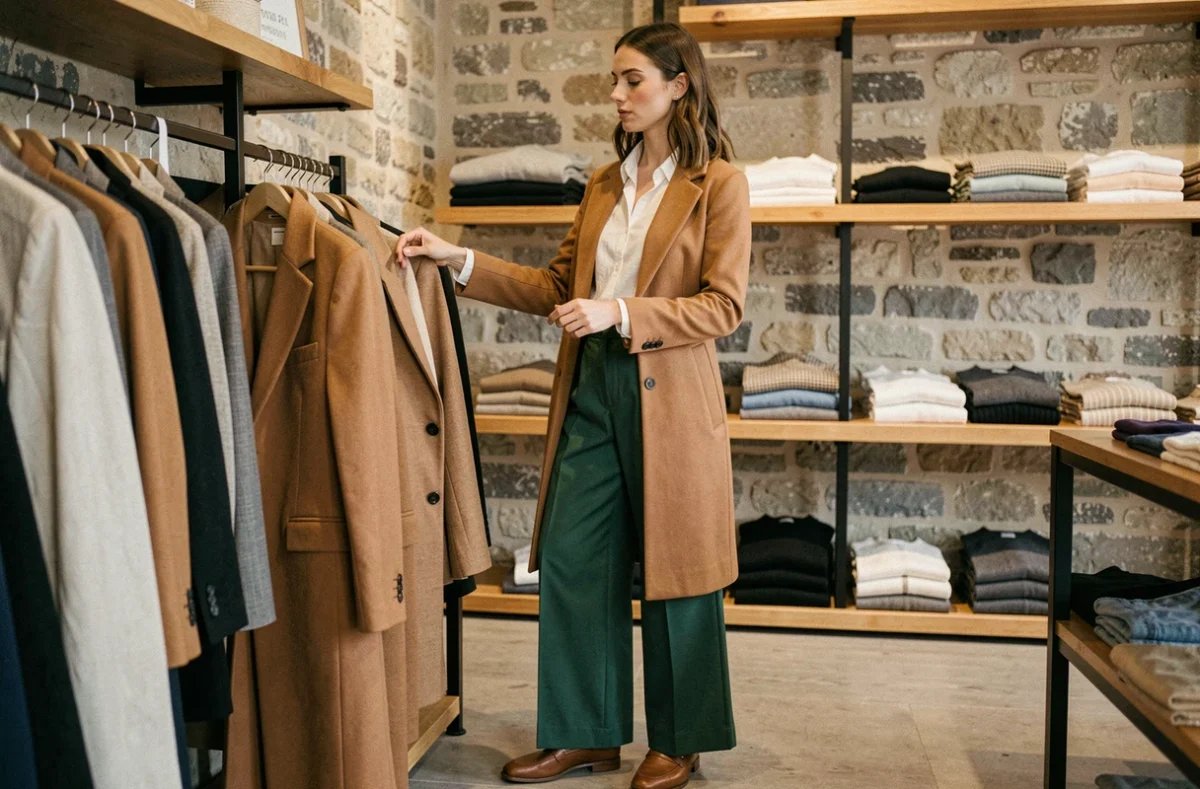
A fashion trend is not just about a color or a cut spotted on a runway. It reflects a change in purchasing behavior, a new regulatory constraint, or a shift in how a wardrobe is composed. In 2026, fashion and lifestyle trends are read as much in European legislation as in fashion shows, and this convergence reshapes daily clothing choices.
European Regulation on Unsold Goods and Impact on Wardrobes
Since July 19, 2026, large companies can no longer destroy certain unsold clothing, accessories, and shoes within the European Union. The ESPR regulation (Article 25) requires prioritizing resale, donation, repair, or refurbishment. Medium-sized enterprises will be affected starting in 2030.
This constraint has a direct effect on the collections offered in stores. Brands are reducing the number of references per season and extending the commercial lifespan of each piece. The result for consumers: more streamlined collections with pieces designed to last several seasons.
In France, ultra-fast fashion is also subject to specific regulation. Players who renew their catalogs at an extreme pace must comply with additional obligations. To keep track of the evolution of these fashion and lifestyle trends over the months, platforms like carnet-de-tendances.fr help identify underlying movements before they saturate social media.

Resale and Second-Hand: A Market Growing Faster than New
The State of Fashion 2026 report, published by McKinsey and The Business of Fashion, forecasts that the resale market will grow two to three times faster than the first-hand market until 2027. This pace is not trivial: it changes how a style is built.
Buying a garment knowing it can be resold changes the selection criteria. The quality of finishes, textile composition, and brand recognition take precedence over the entry price. Genuine leather, raw denim, and classic cuts resell better than ultra-trendy pieces with a short lifespan.
Why Major Brands Struggle to Integrate Resale
ESG Dive indicates that resale still represented a very small share of H&M’s revenue in 2025, despite an increase compared to 2024. Integrating second-hand into a business model built on volume remains a logistical and financial challenge.
This tension explains why resale is primarily developing through independent platforms, rather than by the brands themselves. For consumers, this means that the most relevant look is one that retains its value for resale.
Style and Color Trends that Cross Seasons
The spring-summer 2026 fashion shows highlighted red, leather in all its forms, and silhouettes that bare the legs. These trends seen at Paris Fashion Week translate differently across wardrobes.
- Leather remains a relevant investment because it spans fall, winter, and spring without losing its character. A leather jacket worn for three seasons costs less per use than a synthetic jacket renewed every year.
- Red, very present on the runways, works as an accent color on a neutral wardrobe. A red bag or a pair of shoes is enough to anchor a look in the season without overloading the wardrobe.
- The barrel jean (loose fit and slightly tapered at the bottom) is establishing itself as a sustainable alternative to skinny jeans. Its relaxed silhouette adapts to everyday wear as well as more formal outfits.
Butter yellow, oversized sweaters, and colorful cropped jackets complete the picture. Each trendy piece should be evaluated for its versatility rather than just its visual impact.

Sustainable Lifestyle: Garment Care as a Fashion Gesture
Textile care is becoming a lifestyle topic in its own right. Brands are increasingly communicating about care practices (washing at low temperatures, air drying, repairing) as a natural extension of style. This shift is not cosmetic: it responds to regulatory pressure on sustainability and the rise of resale.
A well-maintained garment resells for a better price. Repair and textile care are becoming fashion skills, not just domestic gestures. Tailoring and dyeing workshops are seeing increased attendance in urban centers.
Traceability and Transparency in Fashion
Traceability of raw materials is progressing due to European regulations and the anti-greenwashing directive applicable in 2026. Vague terms like “eco-friendly” or “green” without verifiable proof now expose brands to sanctions.
For consumers, this translates into more reliable access to information about composition and origin. Reading labels has never been so useful for distinguishing a genuine approach from a marketing argument. Textile transparency now guides choices as much as style.
This year’s fashion and lifestyle trends are distinguished by a common thread: durability. The lifespan of pieces, the validity of a style, the usage duration before resale. The most current wardrobe is one that withstands constant renewal, driven by European rules that make this approach not only desirable but mandatory for brands.