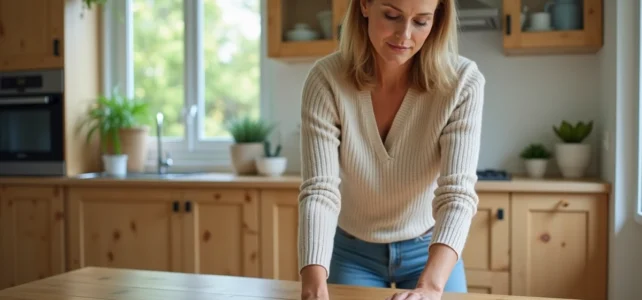
On a wooden surface, a greasy stain embeds itself. Denatured alcohol, often touted as the miracle solution, can make the mark disappear in just a few moves. But if misused, it leaves behind bitter memories: dull varnish, altered colors, damaged surfaces. Tackling a finish without knowing the exact nature of the wood is like playing with fire. Even professionals agree on this point: the speed of stripping should not overshadow the risks of permanent discoloration or changing the feel of the wood.
In many workshops or during home renovations, denatured alcohol is sometimes combined with other products or tools, more or less gentle depending on the state of the furniture. But it is always the material that dictates the approach. Vigilance is essential: it is impossible to take out the bottle without taking the time to ventilate the room, put on suitable gloves, and meticulously prepare the surface. Any use near a flame, even a small one, is to be avoided, as the risk of accident remains real.
You may also like : Tips and Tricks to Succeed with Your Lifestyle Blog and Grow Your Audience
Denatured alcohol and wood: common uses and unknown benefits
The question of cleaning wood with denatured alcohol deserves to be addressed in detail. It is not a matter of a haphazard gesture. On stubborn stains or worn varnish, alcohol acts as a selective solvent. It dissolves grease, removes old layers of wax, and sometimes gives new life to tired surfaces. Its strength? It preserves the character of the wood and limits moisture, preventing any deformation of the substrate.
A few drops applied to a clean cloth, and the difference is striking: goodbye dull veil, the surface regains clarity. Of course, each type of wood reacts according to its own rules. Patinated oak, waxed wood, or antique furniture require a tailored approach. After cleaning, it is always necessary to think about protecting the stripped surface by applying a matte varnish, a clear wax, or a finishing oil, depending on preferences.
Recommended read : Tips and Tricks to Energize Your Website with Effective Blogging
- Removing a stain from varnished wood using an absorbent paper and denatured alcohol, without saturating the substrate
- Lightening dark wood, especially oak, through measured and gradual applications
- Removing wax residues before proceeding with a deep restoration
In practice, here are some examples where denatured alcohol proves useful:
Mastering this product is to give a piece of furniture a second youth while respecting its history and raw material.
What precautions should be taken to clean wood without damaging it?
Taking out denatured alcohol requires a few preparatory steps. Gloves on, safety glasses, window open: every detail counts. For cleaning, lightly dampen a microfiber cloth with the product. Soaking the surface would be a mistake, as excess moisture can cause indelible rings or even warp the wood.
Always work along the grain. This choice limits the risk of scratches and prevents the solution from penetrating too deeply. On antique furniture or questionable finishes, it is better to test denatured alcohol on a small hidden area. Some chipped or very old surfaces are particularly sensitive to solvents and can whiten at the slightest mistake.
- Use a soft-bristled brush on carved or raised areas and be gentle on thin parts
- Avoid aggressive abrasives like steel wool, rough sponges, or coarse sandpaper
- Never combine denatured alcohol with products like ammonia, bleach, or oxalic acid
To avoid missteps, here are some tips to follow:
When cleaning is complete, immediately dry the surface with a dry cloth. Standing water or residual moisture always poses an invisible danger to wood and its finishes. For regular maintenance, simple recipes remain the best option: black soap, white vinegar, or beeswax extend the life and beauty of furniture while limiting the use of strong chemicals.
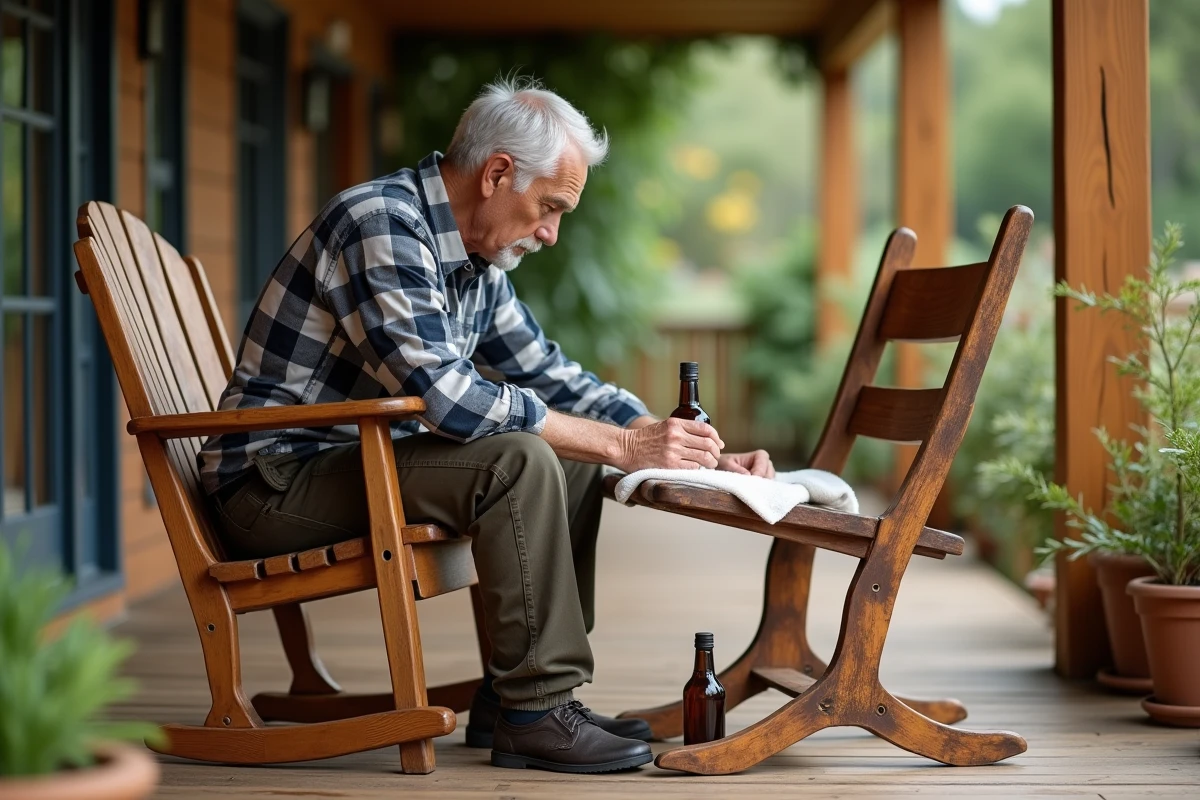
Practical tips for maintaining and reviving your antique furniture with denatured alcohol
Restoring antique furniture requires moderation and a bit of technique. Denatured alcohol, used with tact, can erase certain marks, reduce stubborn grease, or clean tired varnish. Always prefer a well-wrung microfiber cloth and adopt smooth gestures, in the natural direction of the wood. This solvent also effectively removes wax from a surface before considering new protection.
To lighten oak darkened by time, combine applications of denatured alcohol with very fine sanding. This approach, reserved for targeted interventions, is the ally of patient DIYers. After the operation, be sure to nourish the furniture with a soft wax, oil, or discreet varnish to fix the result over time.
Denatured alcohol works well with other natural solutions used by restorers: black soap on raw wood for regular maintenance, white vinegar to dislodge external dirt, and beeswax to maintain the patina of waxed surfaces. From the antique cherry table to the teak sideboard, each type of wood awaits an attentive hand and a certain modesty in the products chosen.
A piece of wood furniture maintained with rigor and respect withstands the years without weakening, a tangible sign of the care given to it. Sometimes, a simple reflection on the grain is enough to remind us that thoughtful cleaning is better than a quick stripping.