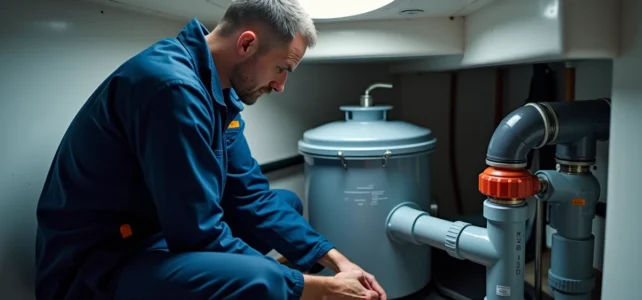
On a sailboat or a motorboat, the shower, kitchen sink, and toilets continuously produce wastewater. These discharges do not disappear magically: they follow a precise circuit on board, governed by increasingly strict regulations. Understanding this circuit means sailing without polluting mooring areas or risking a fine at the port.
Gray water and black water on board: two distinct circuits
Before discussing treatment or pumping, it is essential to distinguish between two types of wastewater on a pleasure boat. This distinction conditions everything else.
See also : What to include on a rubber stamp?
Gray water comes from the shower, sink, and kitchen. It contains soap, food fats, and light organic residues. On most boats, it is collected in a small sump and then evacuated by a bilge pump to the outside.
Black water refers to toilet discharges, in other words, feces and toilet paper. Their bacterial load is much higher. Regulations focus on them because their discharge in coastal areas quickly degrades water quality, especially in ports, enclosed bays, and heavily trafficked mooring areas. To learn more about Euro Voyages, the topic is discussed with additional details on the journey of these discharges.
Read also : Promotional Offers and Reduced Rates on Consumer Credit at Crédit Agricole: What You Need to Know
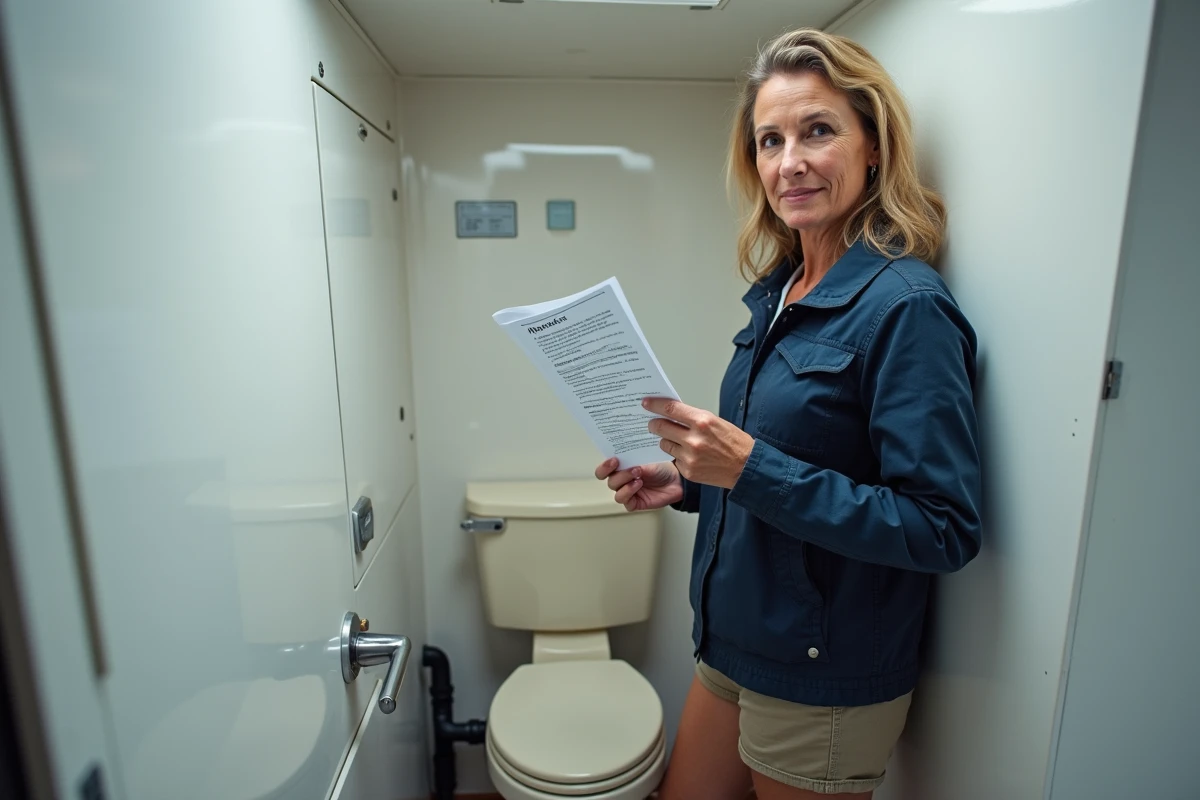
Holding tank and pumping at the dock: the regulatory circuit for black water
On a pleasure boat equipped with marine toilets, feces are not discharged directly into the water (at least, they shouldn’t be). The standard circuit passes through a holding tank, also called a black water tank.
How the tank works
When you flush the marine toilet, a pump (manual or electric) sends the contents to a watertight tank installed in the hull. This tank stores black water until you can properly evacuate it.
Disposal is done in two ways:
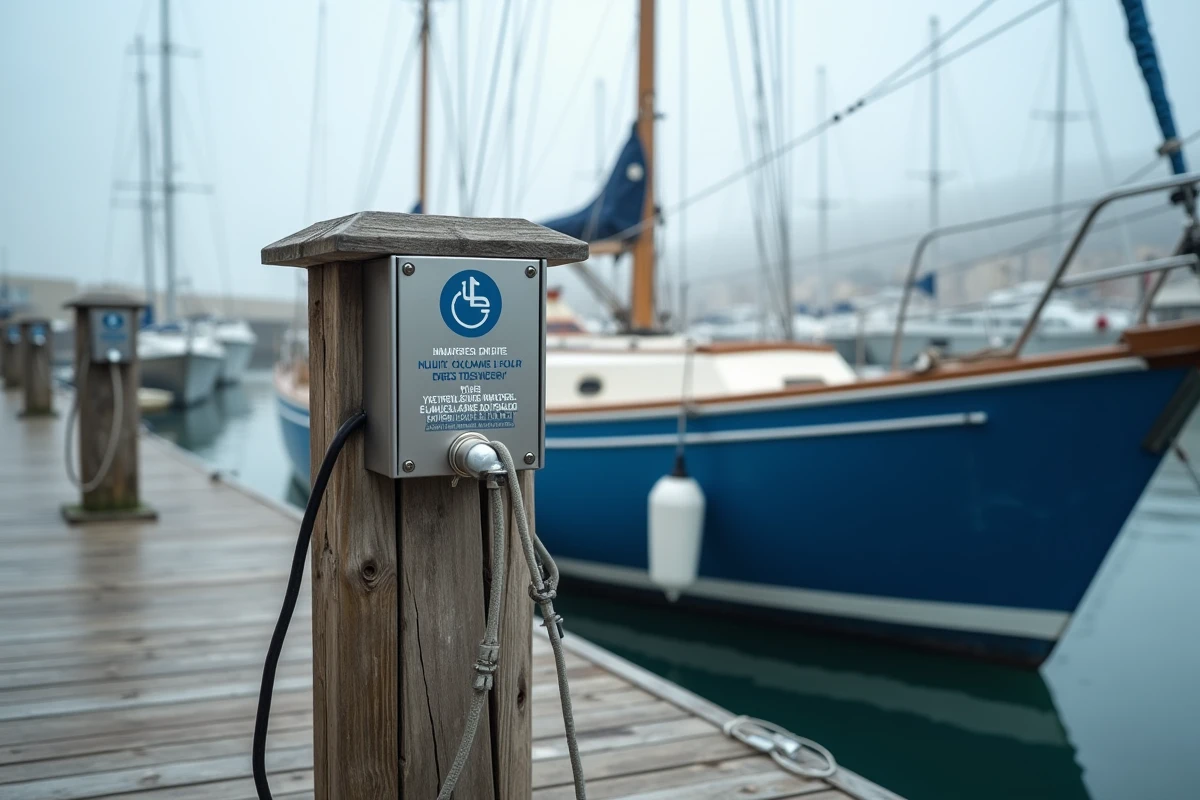
- At the port, via a pump-out station: a hose is connected to the boat’s discharge valve, and the contents of the tank are sucked into the port treatment network.
- At sea, beyond a certain distance from the coast, direct discharge is tolerated in most European legislations. The minimum distance varies by country and protected areas.
- In some cases, an onboard treatment system (miniature wastewater treatment plant) can purify black water before discharge, but this type of equipment remains rare on medium-sized pleasure boats.
The concrete problem: underutilized pump-out stations
Even when ports are equipped with pump-out stations, their usage rate remains very low compared to the number of boats present. This observation appears in several port studies. The reasons are multiple: poorly marked stations, complicated access, limited hours, or simply a lack of awareness of the system among boaters.
The result: a significant portion of black water ends up in the sea, including in sensitive coastal areas. In heavily trafficked moorings during summer, the concentration of boats amplifies the problem.
Regulations on black water discharge in port areas
Regulations are evolving towards greater rigor. Several European countries now require a black water tank on new pleasure boats, including small units. This obligation, long confined to inland navigation, is gradually extending to coastal waters.
In France, some harbor master offices have been conducting targeted inspections for several years. Reports and fines are issued for boaters caught in the act of discharging in port areas or immediate proximity. Some marinas go further: they suspend the mooring contract in case of repeat offenses.
In the Baltic Sea region, the HELCOM convention adopted a revised recommendation in 2023 on wastewater from pleasure boats, strengthening retention and treatment requirements. This type of regional framework encourages boat manufacturers to integrate tanks from the design stage.
Marine toilets, dry toilets, macerating toilets: which system for which boat
The type of toilet installed on board directly determines how feces are managed. You have the choice between three main families.
Manual pump marine toilets are the most common. They use seawater for flushing and send the contents to the holding tank. They are simple, reliable, but consume water and fill the tank quickly.
Macerating toilets (or grinders) incorporate a motor that reduces the waste to a fine slurry before sending it to the tank. The advantage: the tank fills less quickly because the volume is compacted. The disadvantage: more mechanical parts, hence more potential breakdowns.
Dry toilets (or composting toilets) use no water. The waste is mixed with sawdust or coconut fiber and then stored in a removable container. No black water tank, no pump, no valve. This system appeals to long-distance sailors who want to simplify their setup and reduce their impact. The container is emptied on land, at an appropriate collection point.
Maintenance of the tank and disposal precautions
A poorly maintained black water tank poses two problems: odors and clogging. Regular toilet paper decomposes slowly in a closed tank. Many boaters use specific soluble toilet paper for boats, which disintegrates quickly upon contact with water.
Between pump-outs, a biological product (enzymes or bacteria) poured into the tank helps break down the waste and limit emissions. Aggressive chemical products should be avoided: they kill beneficial bacteria and complicate downstream treatment at port stations.
When pumping out at the port, ensure that the discharge valve is fully open and that the connection is watertight before starting the pumping. A leak at the dock is unpleasant for everyone.
Managing wastewater on a pleasure boat relies on a simple circuit: storage in a tank, pump-out at the port, or regulated discharge offshore. The weak link remains the actual use of pump-out stations and the vigilance of boaters in mooring areas. Choosing the right type of toilet and regularly maintaining the tank makes the difference between a clean boat and a silent source of pollution.