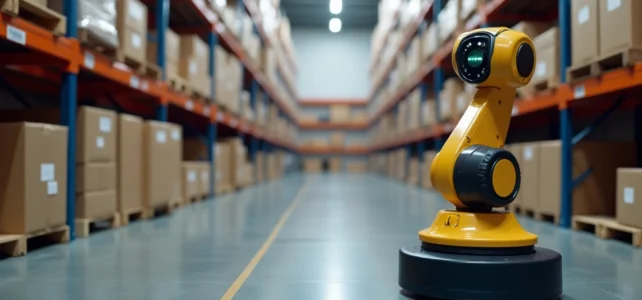
Technological advancements are transforming the way retail companies manage their inventories. Thanks to artificial intelligence and automated systems, inventory tracking is becoming more accurate and faster. Supermarket chains can now anticipate stockouts and optimize their supplies in real-time.
Technologies such as the Internet of Things (IoT) and smart sensors enable tracking of each product with unparalleled precision. Employees are freed from repetitive tasks and can focus on higher-value missions. Costs decrease, while customer satisfaction rises, marking a true revolution in the sector.
Emerging Technologies in Inventory Management
Inventory management is a strategic element for any company, particularly for franchises. Computerized inventory management systems automate inventory management processes, reducing human errors.
Data Analysis: Data analysis allows franchises to forecast future demand and identify seasonal trends. Predictive analytics tools use advanced algorithms to analyze vast datasets and forecast future demand trends.
Cloud-based Inventory Management Systems: These systems allow centralized inventory management accessible from any internet-connected device. They centralize information and facilitate coordination between different warehouses.
RFID Technology: RFID technology enables quick and accurate identification of products in stock through RFID tags. It improves inventory accuracy and reduces losses.
Artificial Intelligence (AI): AI is transforming inventory management by providing advanced solutions to optimize processes and improve profitability. Machine learning optimizes stock levels based on demand forecasts.
A concrete example is the platform “Birdy Auchan” which integrates these technologies to optimize inventory management, improve delivery times, and reduce operational costs. The results show a significant decrease in stockouts and improved customer satisfaction.
- Automation: reduction of human errors
- Centralization: access to real-time data
- Accuracy: more precise inventories thanks to RFID
Implementing these technologies is a fundamental step for any retail chain looking to modernize and meet the growing expectations of consumers. 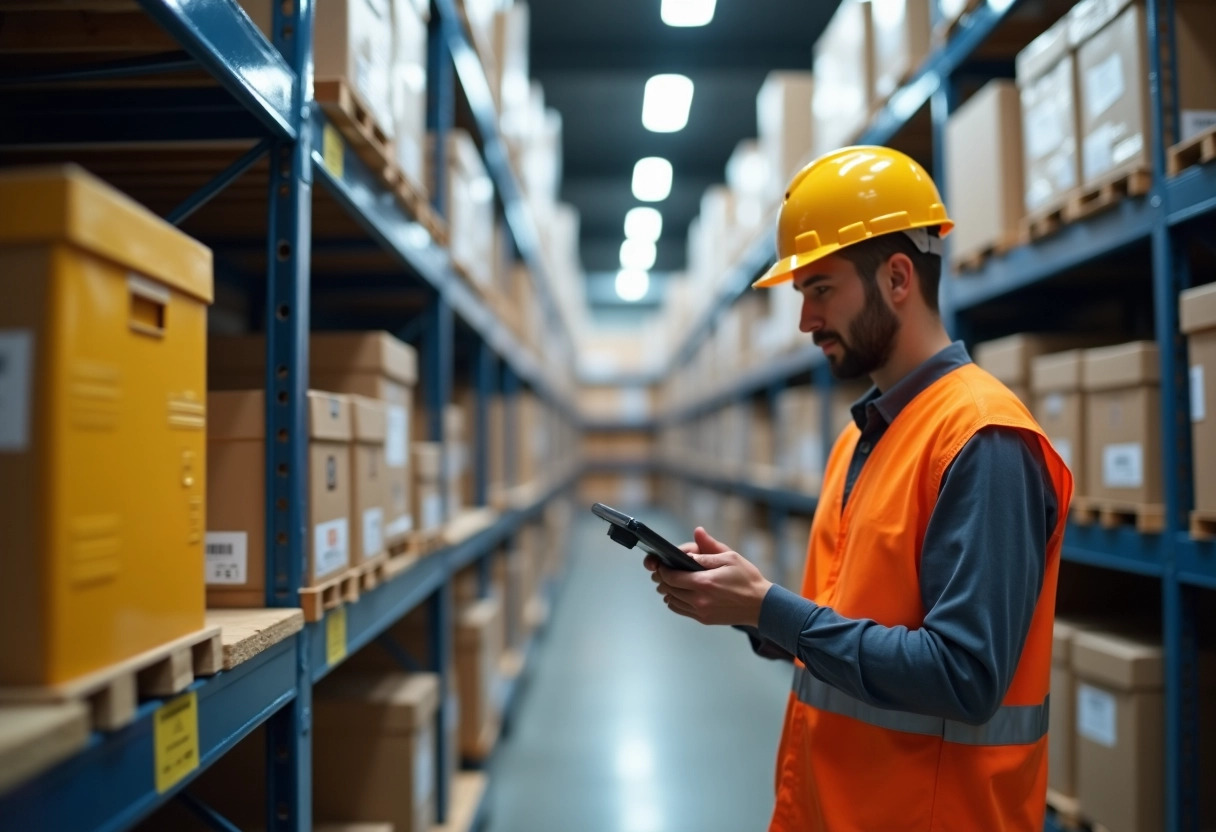
The Impacts of Technological Innovations on Retail
Technological innovations are profoundly transforming retail. Logistics, essential for this sector, demands speed and responsiveness. The integration of new technologies optimizes processes, reducing costs and improving efficiency.
Automation: Autonomous mobile robots are revolutionizing order preparation. They navigate warehouses, retrieving products with precision. This automation reduces processing time and human errors.
Artificial Intelligence (AI): AI optimizes the supply chain by predicting demands and adjusting stock levels. It also improves warehouse management by optimizing layouts to maximize space and efficiency.
The e-commerce sector is reaching nearly €160 billion in revenue in 2023. This growth requires robust logistical solutions to meet consumer expectations. Technological innovations ensure fast deliveries and efficient return management.
- Optimization: reduction of operational costs
- Efficiency: improvement of delivery times
- Satisfaction: better customer experience
Technologies such as RFID and AI play a fundamental role in reducing food waste. They enable better management of expiration dates and optimal stock rotation, thus meeting new consumer expectations in terms of sustainability and social responsibility.