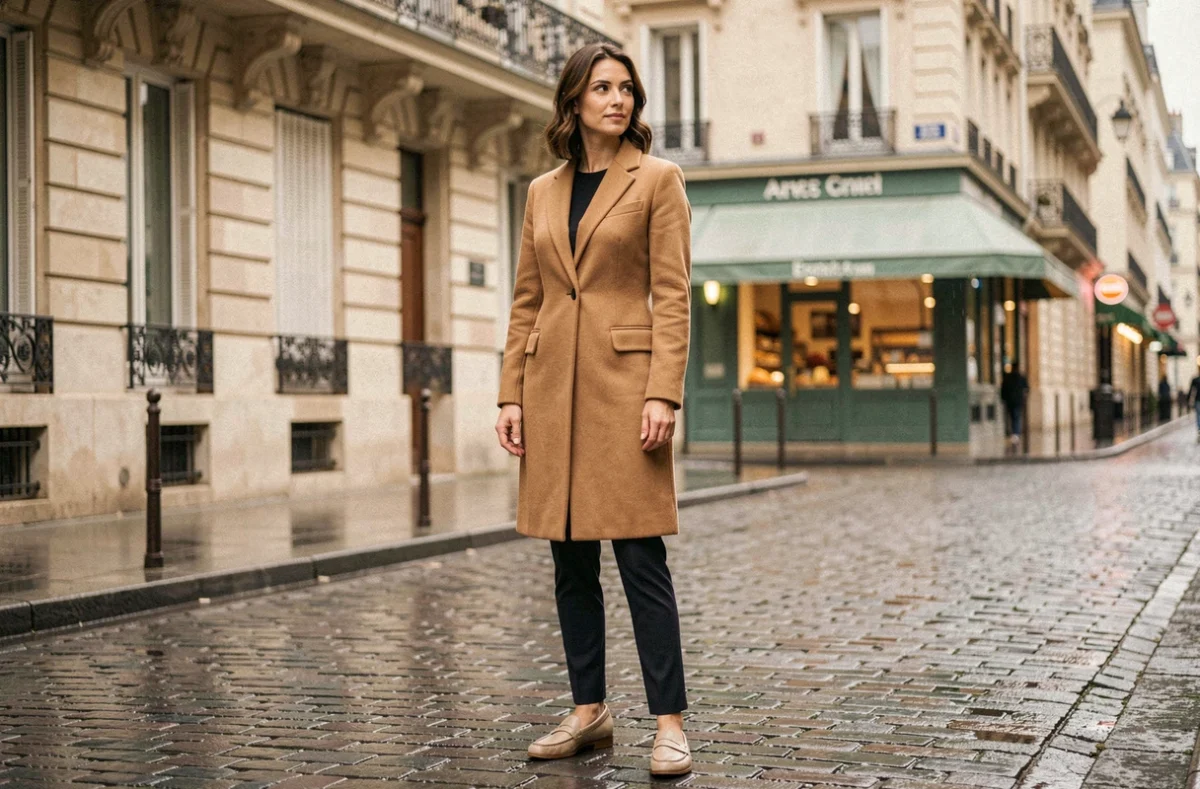
The Parisian wardrobe is not simply a collection of new pieces refreshed every season. Creating an elegant style in Paris today means balancing new items, second-hand finds and repairs—three approaches that, when used wisely, make for a cohesive wardrobe.
The textile and footwear repair bonus, launched in November 2023 through Refashion, has made this choice more tangible: certified repair shops now subsidize certain repairs to clothing and shoes, changing the way people think about buying in the first place.
A sustainable Parisian wardrobe: repairs, second-hand finds and new pieces
Buy a quality piece, have it repaired when the fabric or sole needs it, and fill the gaps with second-hand items chosen for their material and cut: this is the only combination that stands the test of time. A garment’s true durability depends on its construction (felled seams, canvas interlining, partial lining) and the availability of replacement parts (buttons, zippers, heel tips).
The Refashion scheme lets you have a torn lining restitched or a zipper replaced at a certified workshop, often for a modest out-of-pocket cost. Repairing a structured coat costs less than buying another of equivalent quality. This approach is particularly relevant to wool garments, full-grain leather shoes and bags with a rigid frame.
Parisian resale platforms are getting better at documenting the composition of their items, making it easier to distinguish second-hand pieces worth investing in from worn-out garments with no repair potential. For information on fashion networks and places to shop in Paris, visit https://mode-in-paris.fr.

Textile traceability and digital product passports: what the EU regulations have in store
The Ecodesign for Sustainable Products Regulation (ESPR), in force since July 2024, establishes a framework for the digital product passport. Textiles are among the priority product groups in the European Commission’s 2025–2030 working plan. However, the specific requirements for clothing have yet to be set out in a delegated act, so it would be premature to describe a textile passport as an obligation that already applies.
The implications for Parisian style are less abstract than they might seem. Once rolled out, the digital passport will document the exact fiber composition, place of manufacture and care instructions for each item. For someone accustomed to buying second-hand, it promises a way to check that a blazer advertised as merino wool really does contain merino, rather than a synthetic blend marketed under a new name.
Traceability will distinguish repairable pieces from those designed to be thrown away. A coat whose digital passport lists fused interlining and a fabric with a high polyester content has less potential to last than a virgin wool model with sewn-in interlining. We expect this way of assessing garments to become a selection criterion on a par with cut and color.
Parisian style codes: the pieces that form the foundation of an elegant wardrobe
Parisian elegance is built around a small number of carefully chosen pieces, not endless accumulation. A functional wardrobe revolves around technical essentials whose construction matters more than the brand.
- A trench coat or overcoat in a sufficiently dense twill fabric, with reinforced armhole seams and bound buttonholes. It is the most visible piece and one of the easiest to repair (replacing buttons, restitching the lining, waterproofing)
- A single-breasted blazer, preferably in lightweight wool or wool crepe, with sewn-in rather than fused interlining. Sewn-in interlining ensures the blazer’s drape and longevity
- Full-grain leather shoes with a stitched sole (Goodyear or Blake construction). This type of construction allows for a full resole, doubling or tripling the life of the pair
- One or two medium-sized vegetable-tanned leather bags, without excessive hardware. Simple designs develop a patina over time and are easy to restitch
The rest of the wardrobe (knitwear, shirts, trousers) is easier to refresh. This is where second-hand shopping really comes into its own: a pre-owned cashmere sweater, washed cold and depilled, can look like new for a fraction of its original price.
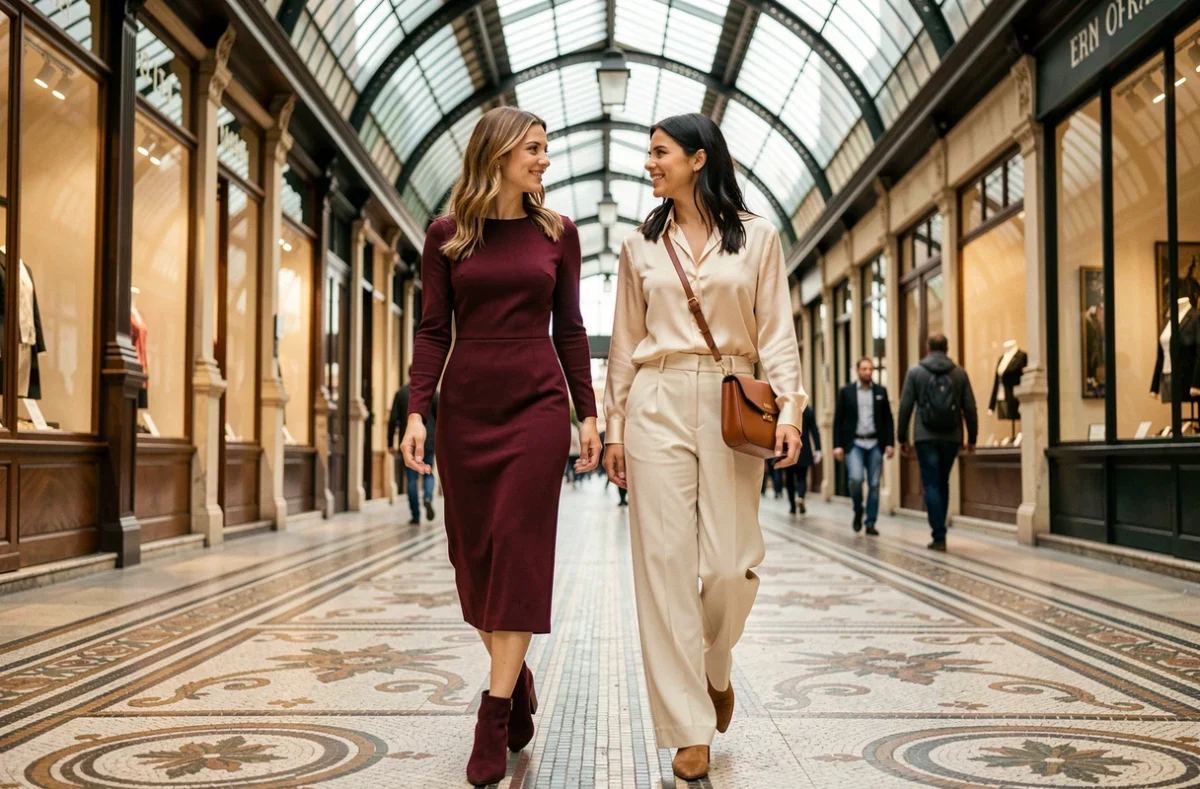
Fashion in Paris: how to tell genuine sustainability from marketing claims
Many brands claim to follow responsible practices. The most reliable way to assess that promise is to look at whether the garment can actually be repaired. A brand that offers in-house alterations or uses materials compatible with Refashion-certified repair shops demonstrates a stronger commitment than one relying on a self-declared label.
A repairable garment is worth more than a recyclable one. Textile recycling remains technically limited when it comes to blended fibers, which make up most of what is produced. A cotton-elastane pair of trousers cannot be recycled through the same channels as one made from pure cotton. Repairs, on the other hand, work on almost every fabric.
The most sustainable Parisian trends are not the ones bearing a green label, but those built around timeless cuts, high-quality materials and construction that can withstand wear. Parisian casual chic, often talked about, is not about letting standards slip: it is about doing more with less, choosing each wardrobe piece to last and pair effortlessly with the rest.
Defining your style in Paris is about mastering your wardrobe, not constantly refreshing it. Key pieces (coats, blazers, shoes) can be bought new or second-hand, depending on the quality available, repaired whenever possible and replaced only when their construction no longer holds up. Everything else is just seasonal rotation.