Preparing an excursion in France is no longer just about choosing a destination on a map. With mandatory booking systems at certain natural sites, access restrictions due to fire risk, and visitor charters on major trails, the landscape of outdoor activities has changed in recent years. Anticipating these constraints directly affects the success of an outing, whether it’s a mountain hike, a cultural visit, or a day by the sea.
Regulated access to natural sites: what changes for excursionists
The Sugiton calanque, in the Calanques National Park, illustrates a fundamental trend. During the high season, a reservation system limits access to reduce pressure on the site. Arriving without having checked the conditions in advance can mean being denied entry, even after an hour of walking.
This mechanism is not isolated. The stakeholders of the Mont-Blanc circuit have established a charter that requires booking listed accommodations and prohibits wild camping. The stated objective: to manage a visitor flow that has become difficult for the refuges and trails to absorb.
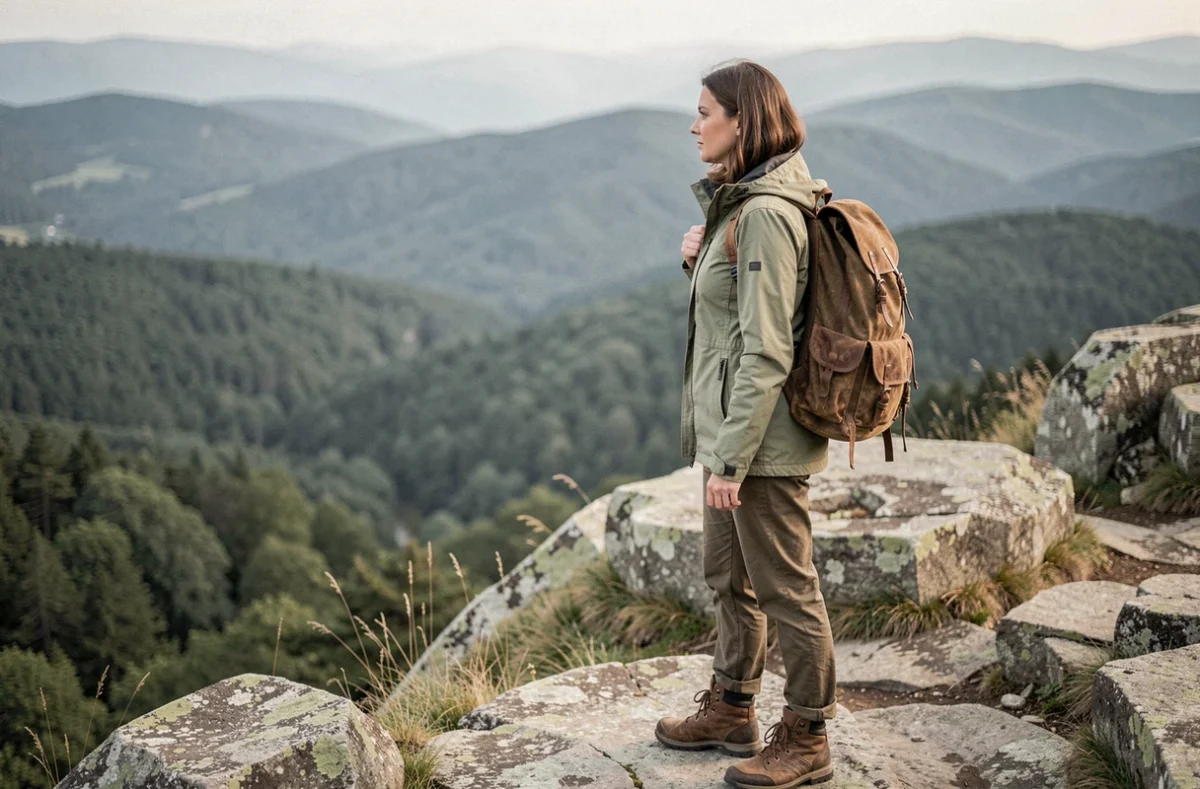
In several departments in the Southeast, access to forested areas depends on the level of fire risk, which is reassessed daily. A route that is passable the day before may be closed the next day. Checking the prefectural orders on the morning of a nature excursion has become a reflex to adopt, just like checking the weather.
To explore activities on Excursion Info before departing, this type of prior verification saves time and avoids unpleasant surprises on site.
City activities during extreme heat: adapting the program to the day
Urban excursions are also facing new constraints. A documented tourism feedback from Tours recommends favoring outdoor outings in the morning or late in the day, reserving the hottest hours for museums, workshops, or visits to air-conditioned monuments.
This organizational logic changes how a program is constructed. Rather than a linear schedule from morning to evening, a city excursion benefits from being thought out in two phases:
- Early morning for markets, gardens, and pedestrian areas, when the temperature remains bearable and crowds are smaller
- The afternoon lull for indoor experiences: cooking workshop, guided tour of a monument, tasting in a cellar
- The end of the day to resume outdoor activities, enjoying softer light and a different atmosphere in the streets
This division is not just a matter of comfort. In extreme heat, the health risk for families with children or elderly individuals justifies not improvising an entirely outdoor program between noon and four o’clock.
Crowd tools and destination choices: still partial assistance
Digital tools providing information on crowd levels are beginning to appear to help visitors choose their time slot or opt for a less crowded alternative. Some local authorities and tourist offices are experimenting with real-time indicators on their websites or apps.
The idea is appealing, but coverage remains uneven. Major tourist sites (national parks, well-known beaches) are better equipped than secondary destinations. Data is still lacking for the majority of nature sites outside the most visited areas. For an excursion in Ardèche or in a lesser-known village, local word-of-mouth and contacting the tourist office often remain more reliable than an app.
This limitation does not render these tools useless. In destinations where they exist, they help avoid weekend crowd peaks and discover time slots where the experience is radically different.

Nature excursion: the criteria that make a difference
The choice of a nature activity is not solely based on the appeal of the landscape. Several practical factors determine the actual quality of the experience.
- The regulatory status of the site: national park, nature reserve, or state forest do not imply the same behavioral rules or permissions (swimming, foraging, camping)
- The seasonality of access: certain river swimming areas, like in Ardèche, are only accessible when the flow allows, and conditions change from week to week
- The state of the trails after a weather event: a violent storm can render a marked hiking path impassable, without the information being updated online immediately
- The accommodation capacity of nearby lodgings: on routes governed by a charter, like the Mont-Blanc circuit, booking your refuge several weeks in advance has become the norm
Each of these criteria can turn a successful excursion into a frustrating day. Checking them in advance, even for an apparently simple outing, is part of the preparation.
Sustainable tourism as a selection filter
The concept of sustainable tourism is not limited to a label on a brochure. Concretely, it directs towards low-impact activities: guided hiking rather than off-road motorized vehicles, visiting local producers rather than standardized bus tours, staying with locals rather than in a hotel complex in a sensitive area.
This filter also helps discover less saturated destinations. Regions that focus on sustainable attractiveness often offer more authentic experiences, precisely because they have not yet reached the visitor threshold that degrades the quality of the visit.
Preparing an excursion today involves balancing three parameters: desire, current regulations, and the accommodation capacity of the targeted site. The most memorable activities are often those where this preparation allowed for arriving at the right place, at the right time, without unpleasant surprises.